22K vs 18K gold — which is right for you
Purity, durability, colour and price compared, with honest recommendations by use case.
Reading the karat number
Karat measures the proportion of pure gold in an alloy out of 24 parts. 24K is pure gold — too soft to hold a setting or a clasp. 22K (916) is 91.6% gold, alloyed with copper and silver for strength; it is the South Indian standard and the right choice for heirloom temple, bridal and investment pieces.
18K (750) is 75% gold and significantly harder. Most international diamond and gemstone jewellery is built in 18K because the higher alloy content holds prongs and pavé settings securely over decades.
How to choose
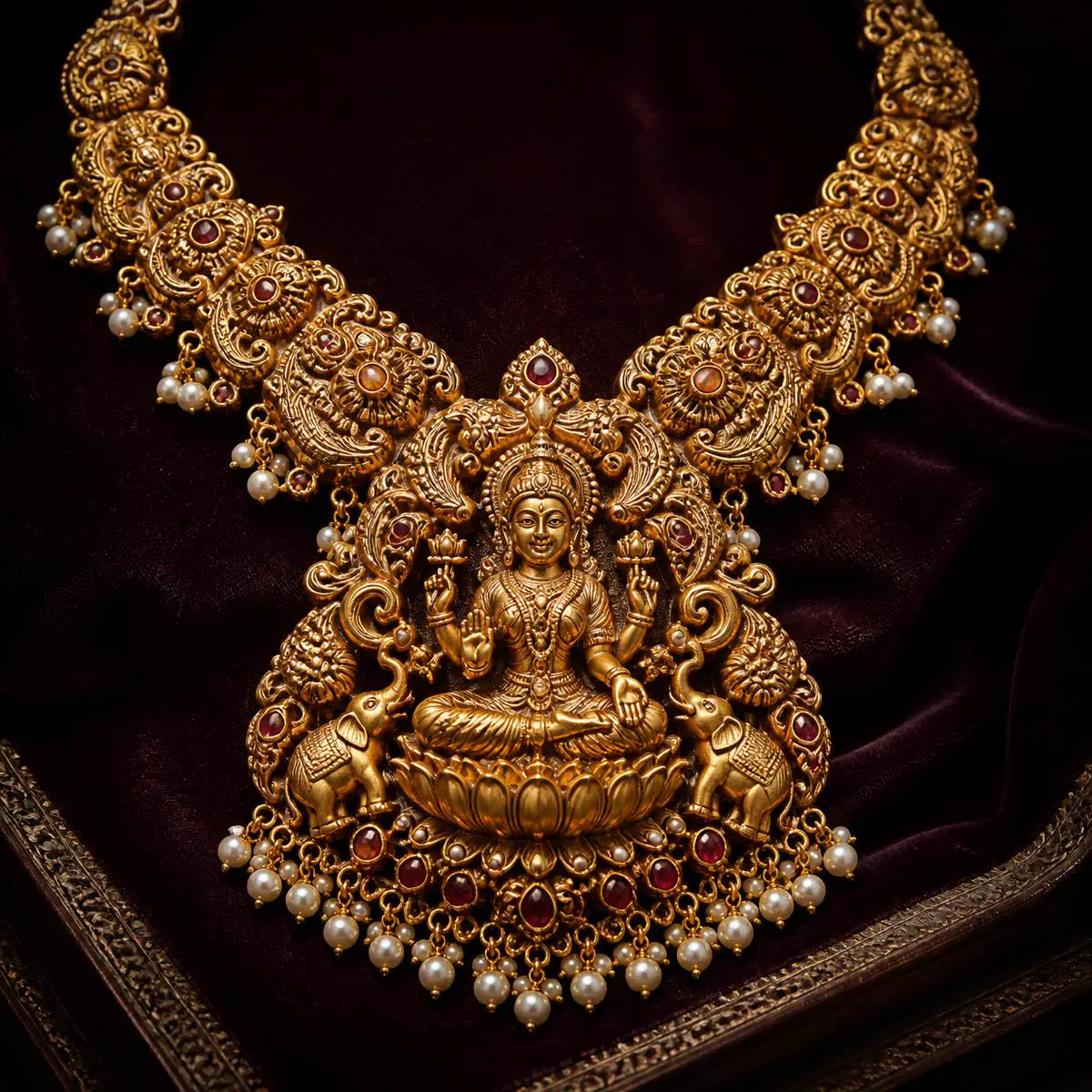
Choose 22K when value retention, traditional yellow colour and resale matter — bangles, chains, mangalsutras, temple sets, daily-wear pieces that will be reworked over generations.
Choose 18K when the design relies on intricate stone-setting, white or rose-gold tones, or when the piece will see hard daily wear (engagement rings, tennis bracelets, men's signets).
On price and resale
Per gram, 22K costs more because it contains more gold. But it also commands a higher buy-back rate. Ambaa Gold offers transparent buy-back on every piece we make, against the prevailing day's rate, with no deductions for hallmarking or design.